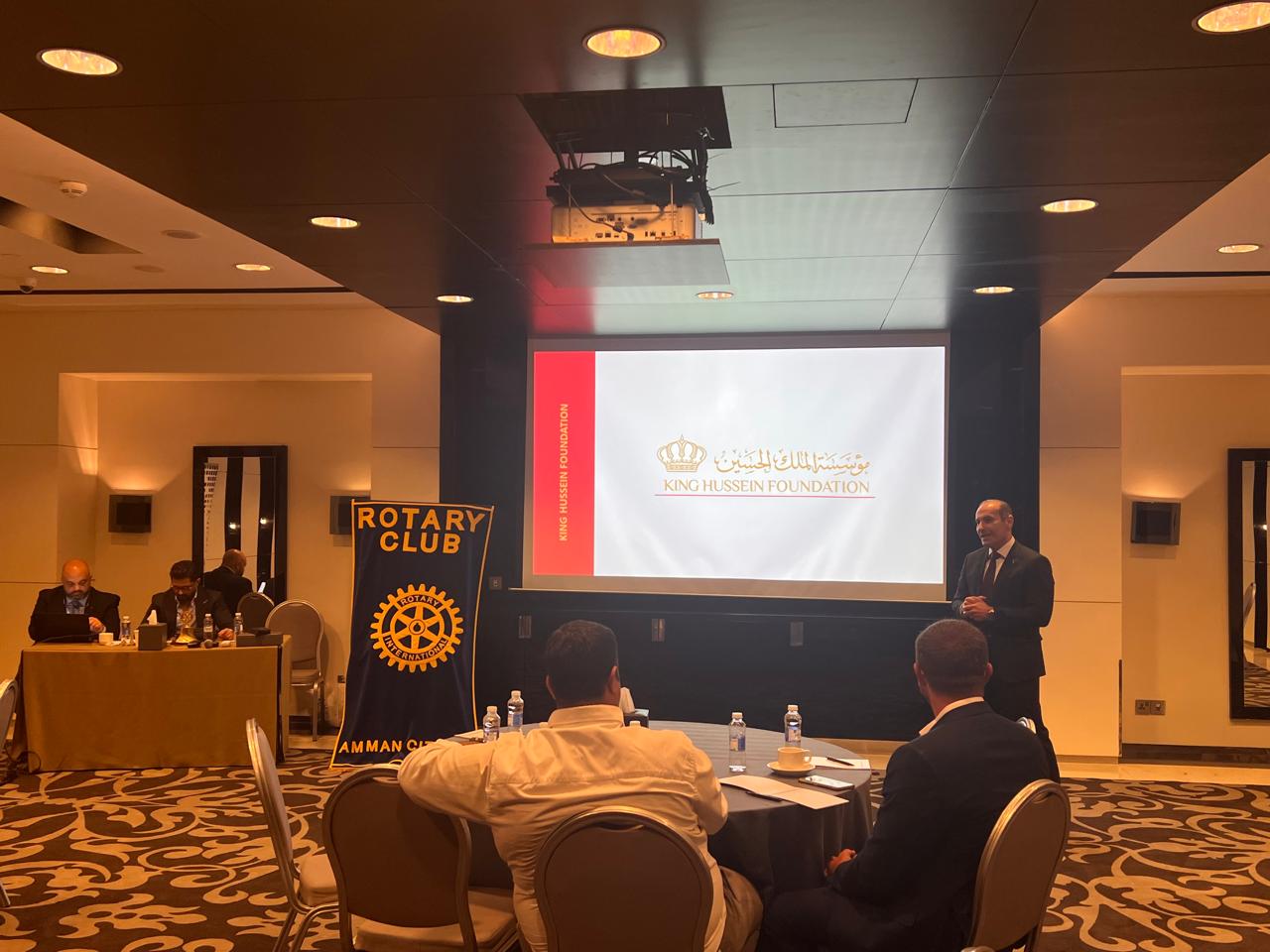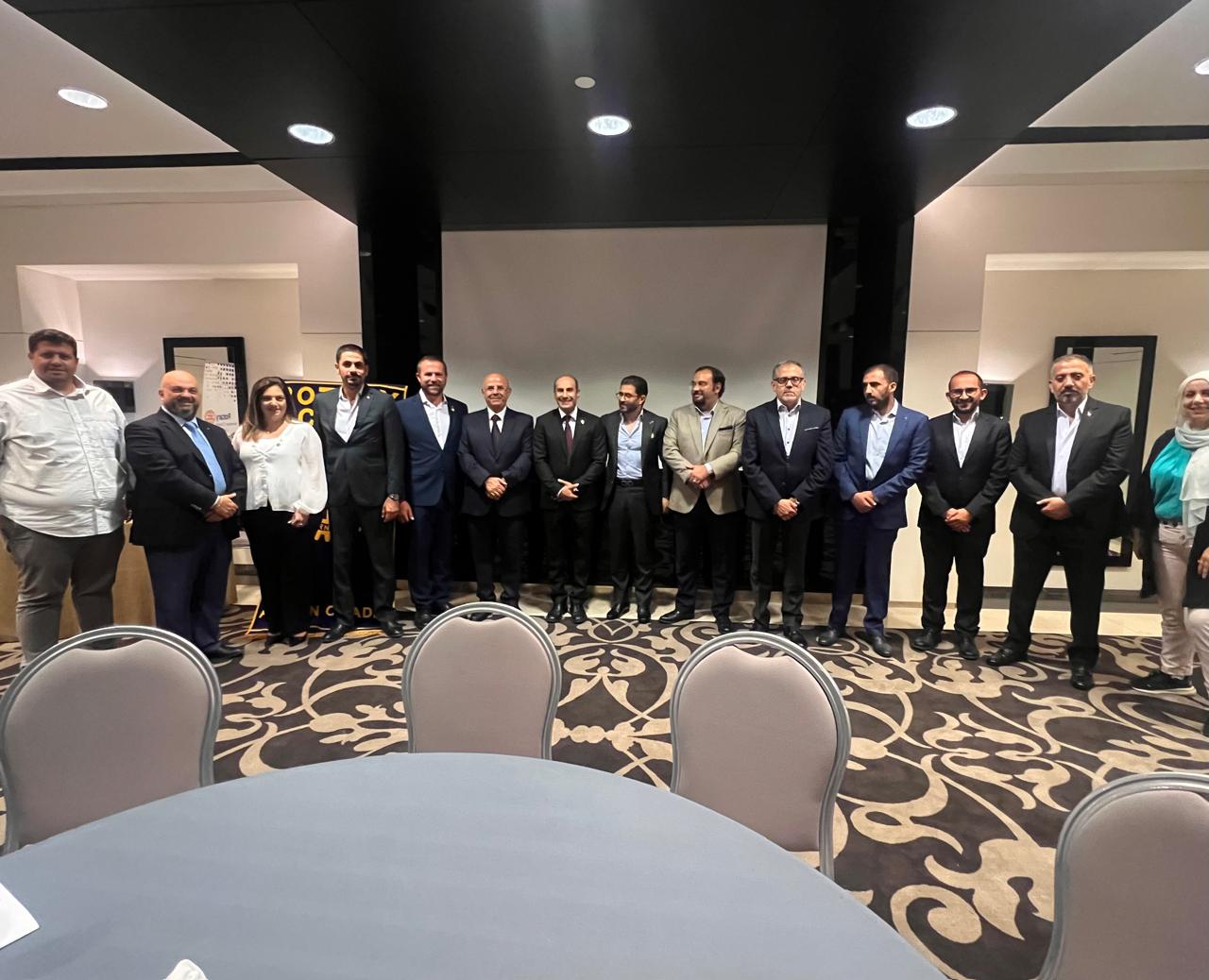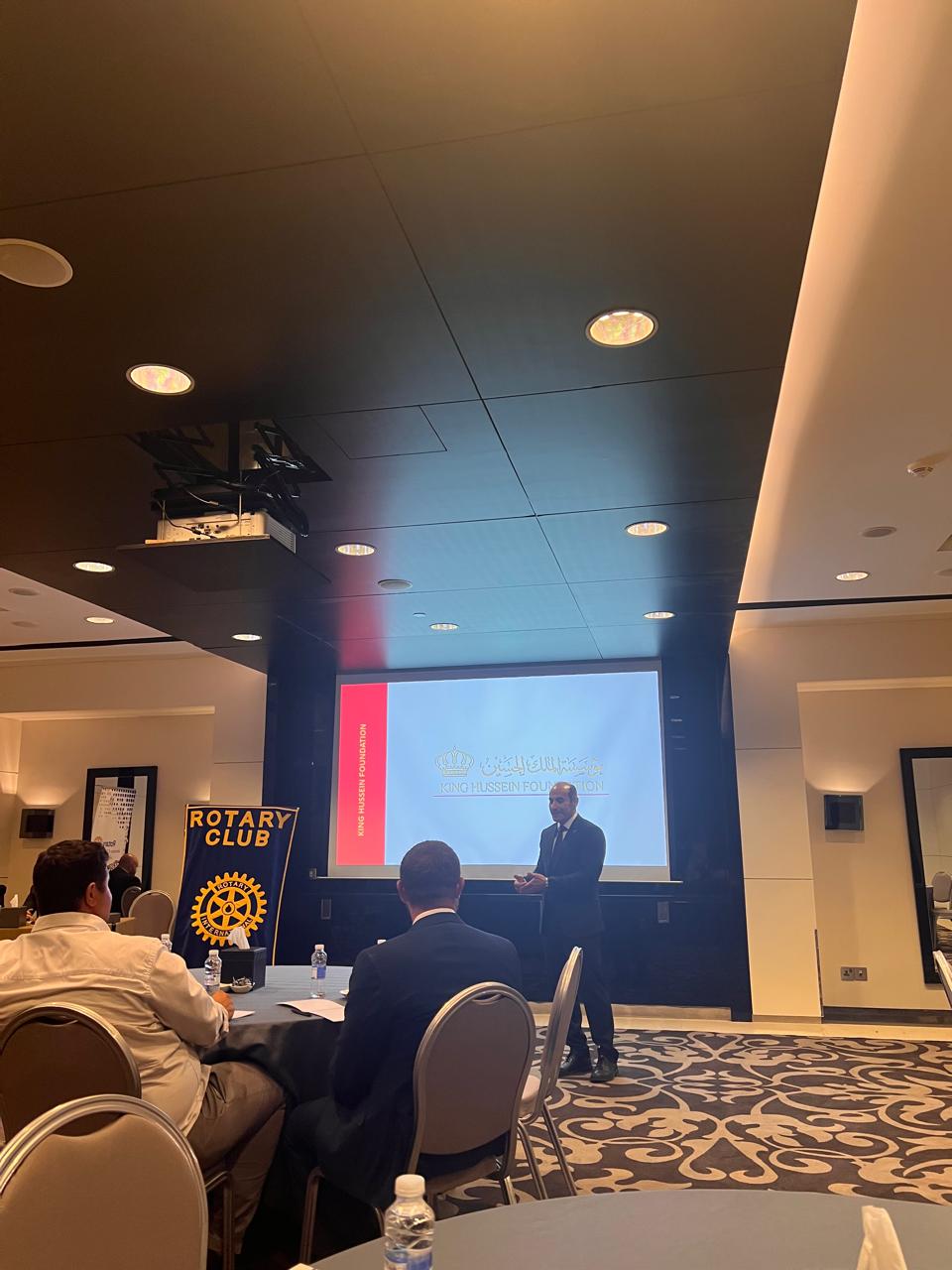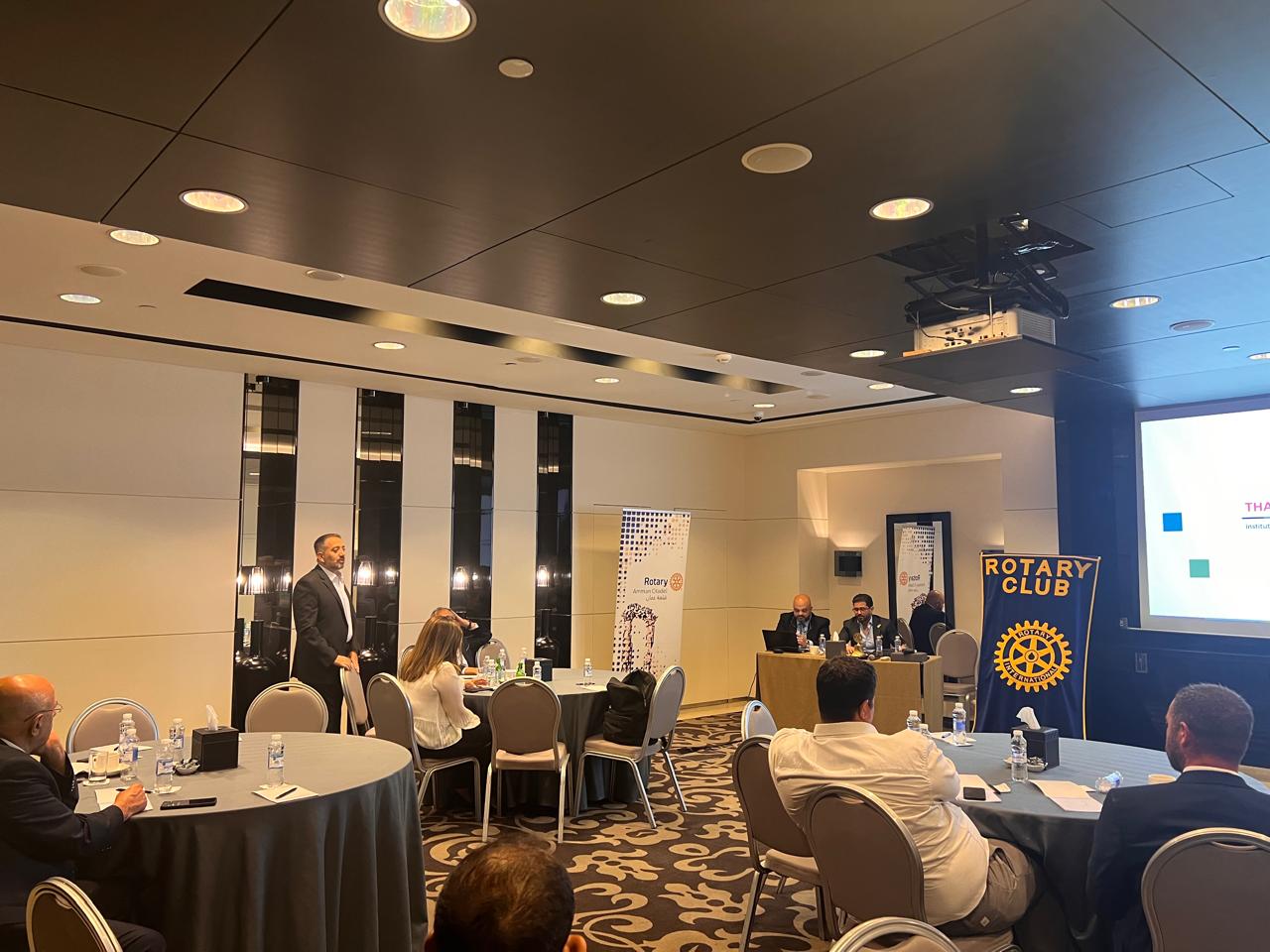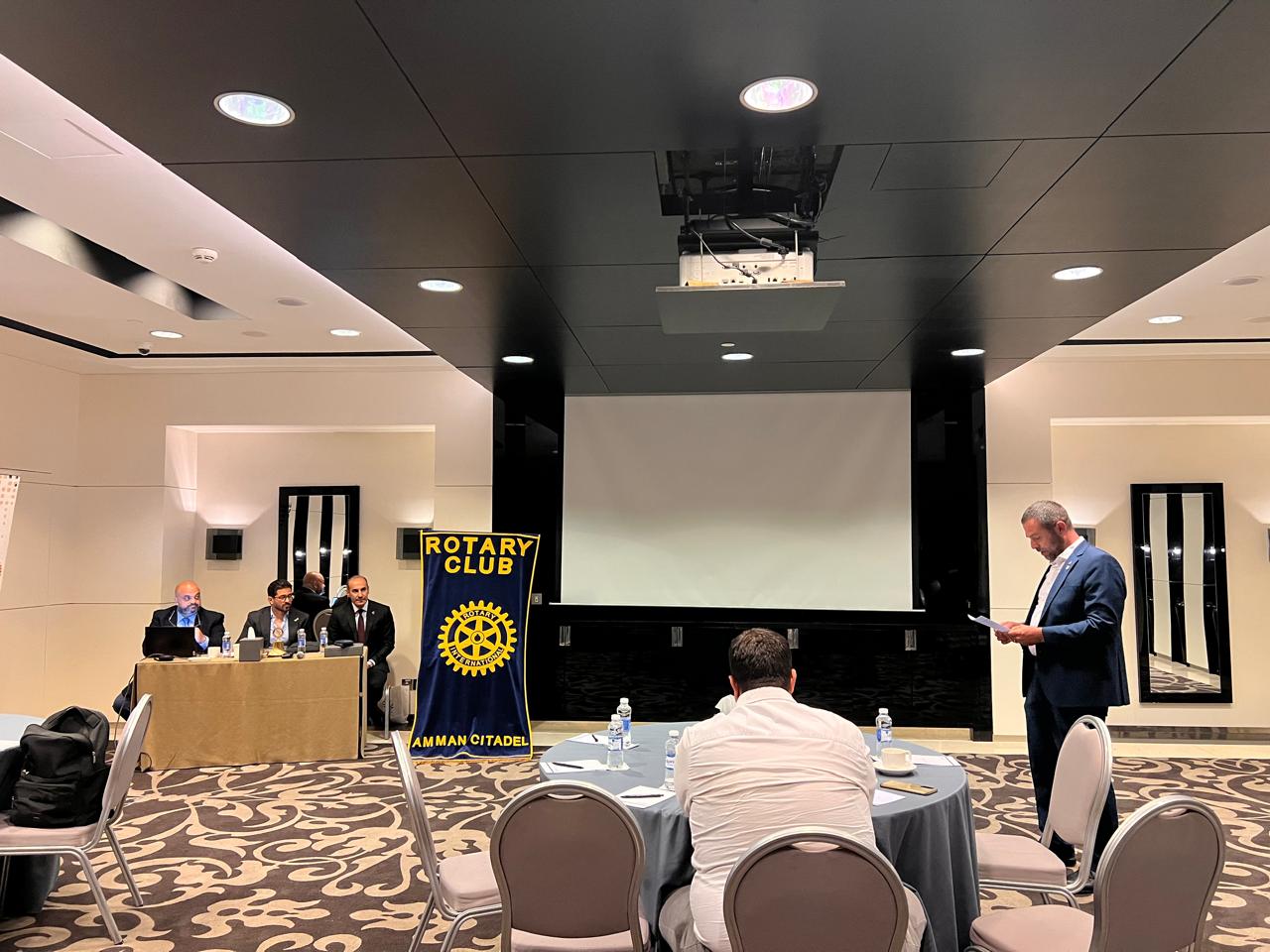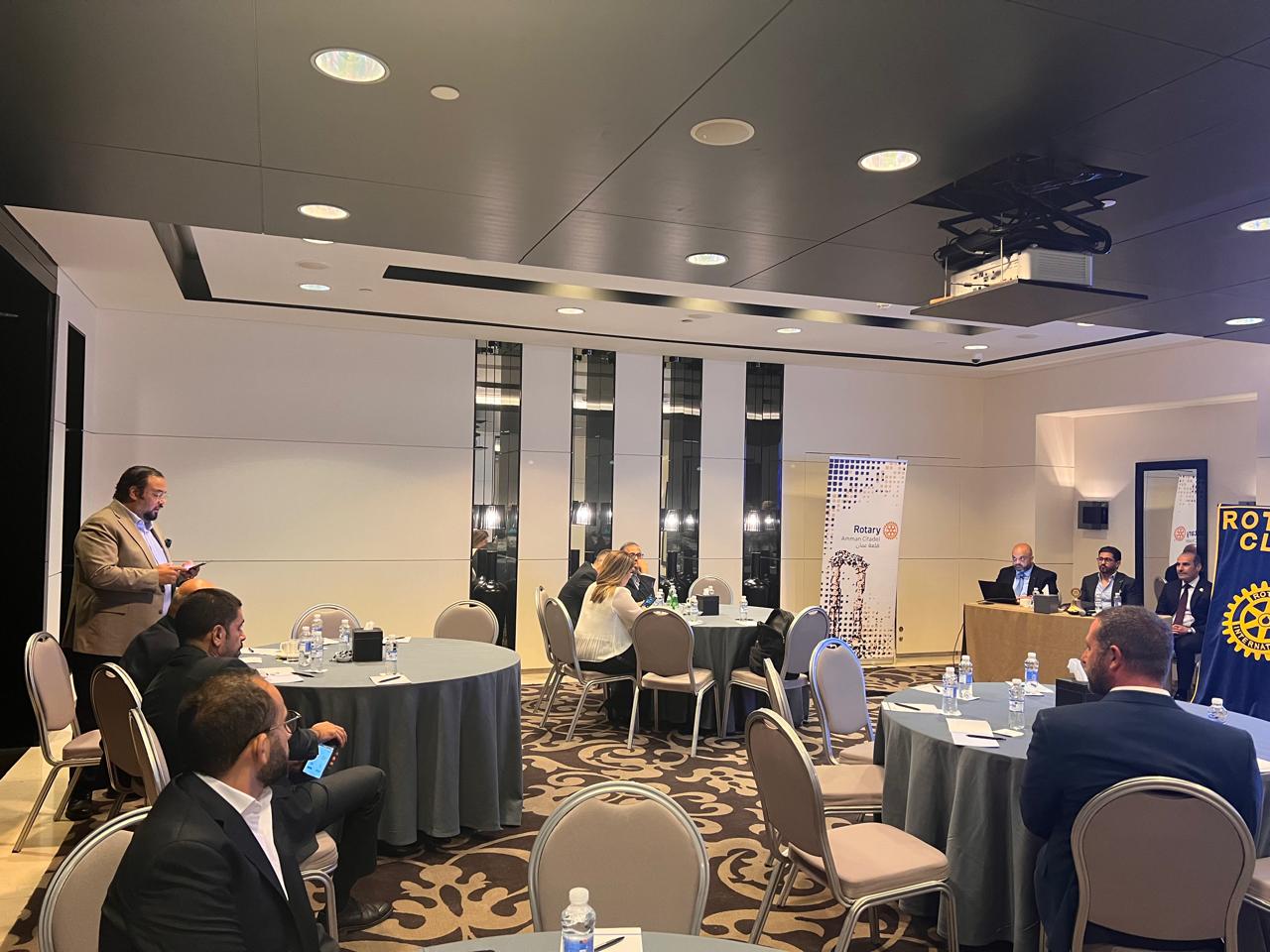
On 31 August, the Rotary Club of Amman Citadel welcomed Dr. Ibrahim Aqel as guest speaker for a session on the work of the Institute for Family Health (IFH), a member institution of the King Hussein Foundation.
Rotarian Jeries Musharbash welcomed Dr. Aqel to the club and introduced him to members.
A model built around the whole family
Dr. Aqel opened by placing IFH within the wider King Hussein Foundation family, which works across education, socio-economic empowerment, family healthcare, culture, and climate. IFH is the arm that focuses on health — but health in the broadest sense.
The Institute follows the WHO definition of health, covering physical, mental and social wellbeing together rather than treating them separately. In practice, that means one visitor to an IFH centre might come for family medicine or a child vaccination, another for speech therapy or a hearing test, and another for psychosocial counselling or case management. The same centre handles all of it.
The services Dr. Aqel described fall into four main areas:
- Protection — gender-based violence prevention and response, child protection, and psychosocial support
- Family health — women's health, child health, adolescent and youth health, and elderly care
- Inclusion and rehabilitation — assessment and diagnosis, physical and mental health rehabilitation, and support for inclusive education
- Community engagement — awareness and mobilisation, youth empowerment and life skills, screening, counselling and referrals
Running underneath all of it is a strong capacity-building programme: accredited diplomas, short courses, supervision and mentoring, and internships for students from Jordanian and international universities.
Reach across Jordan
IFH works through 27 locations. These include urban clinics in Amman, Zarqa, Irbid, Karak and Sweileh; clinics inside the Zaatari and Azraq camps; four clinics in Palestinian camps in Irbid, Souf, Baqaa and Zarqa; and localisation partnerships with NGOs and community-based organisations in governorates including Tafileh, Madaba, Balqa and Ajloun.
The 2025 figures Dr. Aqel shared gave members a sense of the scale:
- 107,881 beneficiaries, split almost evenly between host communities and camps
- 260,410 services delivered
- 316 staff, 73% of them women, with women holding half of senior management positions
- 170 volunteers
Within those totals, IFH supported 2,807 survivors of gender-based violence, provided 15,155 rehabilitation services to 9,313 persons with disabilities, managed cases for 1,759 children, and trained more than 4,000 participants from government, universities, and civil society.
The Institute's centres are accredited by the Healthcare Accreditation Council and certified against national GBV standards, and are recognised as women-friendly, youth-friendly, and accessible for persons with disabilities.
Where Rotary and IFH meet
The discussion that followed the presentation turned quickly to collaboration. Members and Dr. Aqel found a good deal of overlap between IFH's work and the club's own priorities — supporting families, improving access to health services, and including people who are often left out.
There was clear interest on both sides in finding practical ways to work together: joint projects, shared community activities, and drawing on IFH's presence on the ground in areas where the club wants to make a difference. The conversation stayed open rather than concluding with a fixed plan, but the appetite for partnership was obvious in the room.
Recognition
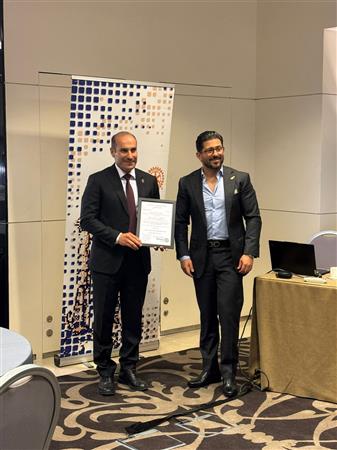
At the close of the meeting, PP Firas Musharbash presented Dr. Aqel with the club's recognition and thanked him on behalf of members for a session that was both informative and genuinely thought-provoking.
The Rotary Club of Amman Citadel looks forward to continuing the conversation with the Institute for Family Health in the months ahead.